













Clean Power 2030 will not be delivered without a land strategy
Share
The UK’s Clean Power 2030 Action Plan envisages between 27 GW and 29 GW of onshore wind capacity across Great Britain by 2030, alongside significant growth in offshore wind, solar and energy storage. The plan also makes clear that this new generation depends on the rapid delivery of network and enabling infrastructure alongside it.
A growing pipeline needs greater certainty
The scale of the opportunity is particularly visible in Scotland, where the Scottish Government’s Onshore Wind Policy Statement sets an ambition for a minimum of 20 GW of installed onshore wind capacity by 2030. The subsequent Onshore Wind Sector Deal has brought government and industry together around many of the practical conditions needed to support that growth, including planning, skills, supply chains and community benefit.
At a UK level, the Onshore Wind Taskforce Strategy, published in July 2025, similarly shifted the conversation towards delivery, setting out more than 40 actions intended to address barriers to deployment and strengthen the pipeline needed to support Clean Power 2030.
For developers and investors, however, a strong theoretical pipeline is not the same as a deliverable one.
Confidence depends on a number of connected factors: whether a project can secure consent, whether there is a viable grid connection, whether the necessary land and access can be secured and whether relationships with landowners, communities and other stakeholders can be managed effectively.
Land therefore sits across many of the issues the sector is already talking about, even if it is not always described as a strategic issue in its own right.
A project may have a strong planning case and an attractive location, but its viability can still be affected by fragmented ownership, difficult access, forestry constraints, complex grid routes or delays in securing the necessary rights. Understanding those factors early can help developers test whether a scheme is genuinely deliverable before significant time and capital have been committed.
Strategic energy planning also needs a strategic view of land
The development of the SSEP is intended to provide a more coordinated view of what energy infrastructure the UK could need between 2030 and 2050, where it could be located and when it may be required.
That work is now moving into a more developed phase. In August 2026, the National Energy System Operator submitted its Pathway Options Report to the UK, Scottish and Welsh governments, setting out six potential pathways for the future energy system. A preferred pathway will inform the draft SSEP, with public consultation expected in 2027.
The value of this approach is the opportunity to look at the energy system more strategically rather than through a series of disconnected individual projects. But as that spatial picture becomes clearer, the next question is how those preferred locations translate into projects that can be assembled and delivered.
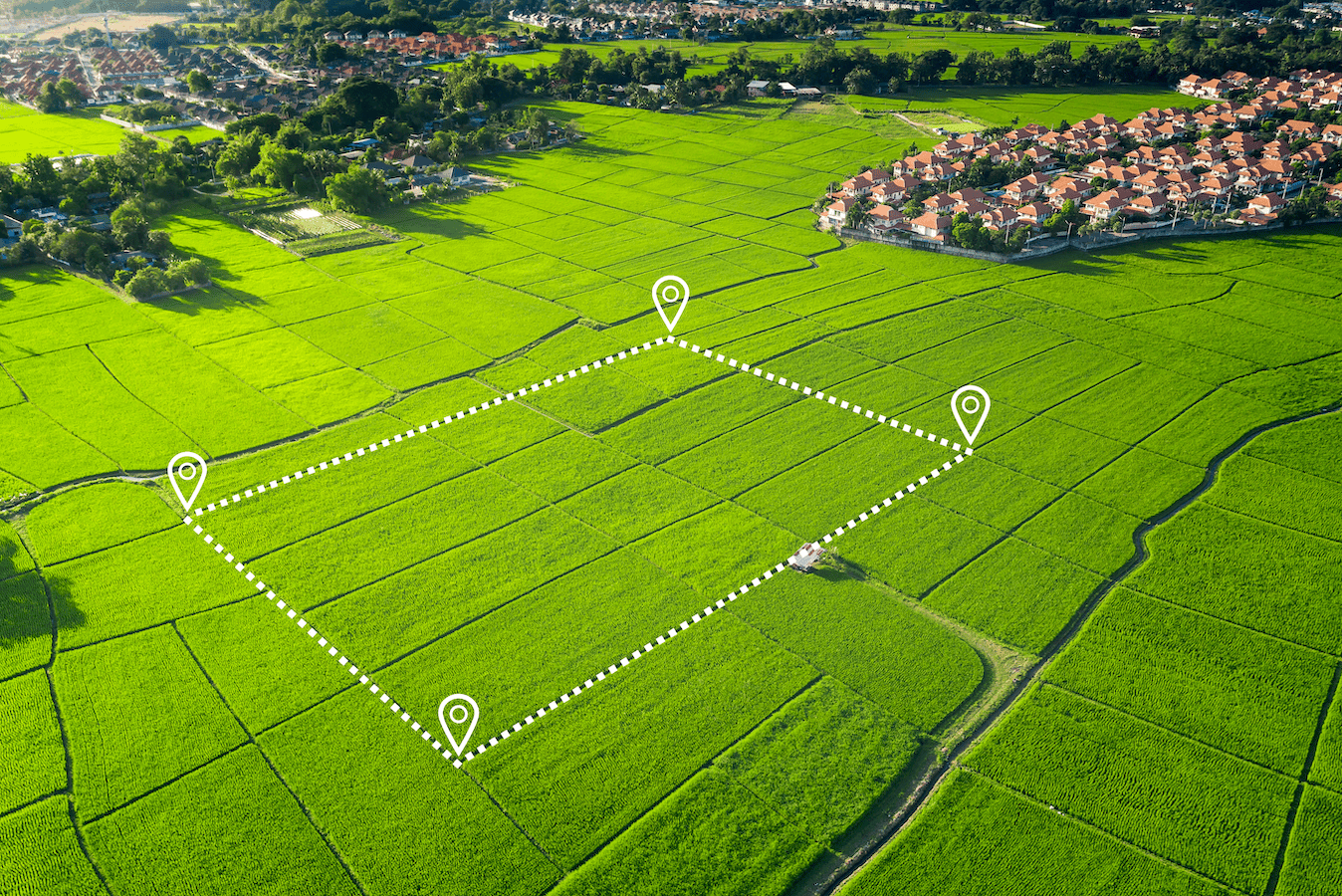
A location that appears appropriate on a national or regional plan is still a real landscape, with landowners and occupiers, estates, forestry, environmental constraints, communities, existing infrastructure and competing uses. There may also be substantial distances between new generation and the point at which it connects into the wider network, creating further requirements around routes, servitudes, wayleaves and access.
This is why a strategic approach to land is essential.
Understanding ownership, constraints and likely rights requirements earlier can help developers identify where delivery risks may sit, shape route and site decisions and begin engagement before positions become entrenched. It can also help land, consenting, environmental and stakeholder strategies develop together rather than one having to respond to decisions already taken elsewhere.
Planning reform is only one part of project viability
Planning and consenting were understandably prominent themes at the conference, particularly around timescales, reform and maintaining environmental standards while accelerating delivery.
In England, the removal in 2024 of the additional planning tests that had applied specifically to onshore wind was an important change, and the UK Government’s subsequent taskforce strategy has sought to address wider barriers to deployment.
Greater planning certainty can support investor confidence, but it does not remove the other dependencies that determine whether a project is viable.
Land agreements, access rights, grid routes and stakeholder relationships can all influence programme, cost and design. If those issues are considered too late, they can undermine some of the certainty gained through improvements elsewhere in the development process.
That is why early land strategy should not be seen simply as an exercise in securing rights. Used effectively, it can help developers understand the practical route to delivery and give investors a clearer picture of where project risk sits.
Repowering brings a different set of land questions
The same issue applies to repowering, which will become increasingly important as Scotland’s established wind fleet matures.
Existing sites can offer significant advantages, including established relationships, existing infrastructure and, in some cases, grid connections. The Scottish Government’s policy also recognises repowering as part of the future onshore wind landscape.
But the fact that a site already exists does not mean its land requirements remain unchanged.
Larger turbines, altered layouts, different access arrangements, new compounds, environmental mitigation, cabling or additional grid infrastructure can all change what is required. Existing agreements may also need to be revisited against the needs of the next generation of the site.
As with new development, the earlier those requirements are understood, the more opportunity there is to resolve constraints before they begin to affect programme or investment decisions.
Turning ambition into infrastructure on the ground
The direction of travel for onshore wind is positive. There is strong policy support, a growing focus on strategic energy planning and clear recognition that planning and consenting processes need to support faster delivery.
The opportunity now is to make sure the land dimension develops at the same pace.
As SSEP begins to provide greater clarity around where future generation and network infrastructure may be required, there is a corresponding opportunity to understand land requirements, routes, constraints and stakeholder relationships earlier in the process.
For developers, this is not simply about securing individual interests in land. It is about bringing together land assembly, access, wayleaves and servitudes, grid connection routes, compulsory acquisition strategy, forestry and estate engagement and community relationships in a way that supports the wider consenting and delivery strategy.
The industry is asking how it can move from ambitious targets to a credible, investable pipeline. Land needs to become a more visible part of that conversation because, however sophisticated our energy plans become, they will ultimately succeed or fail on our ability to translate them into projects that can be delivered on the ground.